Installation Methods Commonly Used for Interior Wall Paneling
Posted on 11 November 2025 by marjorielane — 4 min
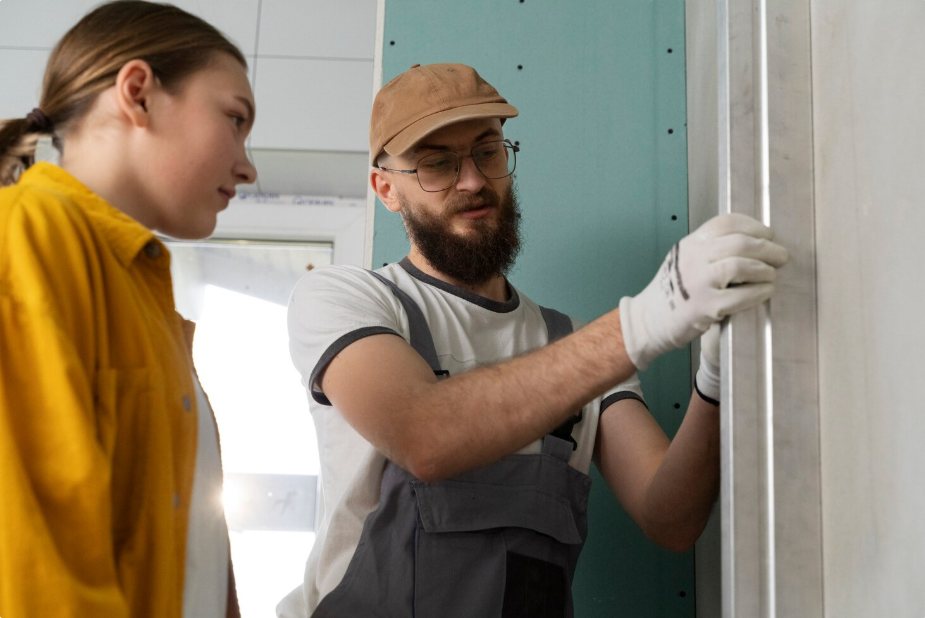
As crucial as choosing the appropriate material is installing inside wall paneling. The stability, durability, aesthetics, and simplicity of maintenance of the panel are all impacted by the installation technique. Different methods are required for various wall conditions, panel kinds, and usage requirements. In order to guarantee that wall paneling functions as intended in both home and business designs, it is helpful to understand basic installation techniques.
Strength, flexibility, and clean finishing are usually balanced when installing interior wall paneling.
Direct Adhesive Installation
Using construction-grade adhesives to directly connect wall panels to the wall surface is one of the most popular installation techniques. This method is most effective on smooth, level, and structurally solid walls. Because there are no obvious mounting mechanisms or fasteners, adhesive installation produces a seamless appearance.
This technique is frequently applied to decorative and residential interior spaces with moderate panel thickness. It enables quicker installation with little modification to the current wall structure. To guarantee long-term adhesion and alignment, adhesive bonding necessitates meticulous surface preparation.
Mechanical Fixing to Wall Surfaces
Using screws, nails, or hidden fasteners, panels are mechanically fixed to walls. This technique offers a solid and safe grip, particularly for thicker or heavier panels. In commercial settings where load resistance and durability are crucial, mechanical installation is frequently chosen.
To preserve a neat appearance, fasteners might be concealed beneath trims or within panel joints. This method works well for high-traffic interiors that need constant upkeep since it makes it possible to remove or replace individual panels as needed.
Batten or Framework Installation
Before installing panels, a framework made of battens or furring strips is fastened to the wall. Then, instead of mounting panels straight onto the wall, they are attached onto this substructure. Batten systems are perfect for uneven walls or situations where extra depth is needed for insulation or utilities.
This method is appropriate for larger areas and commercial interiors since it helps control moisture and enhances airflow behind the panels. Although they need more time to install, batten frameworks provide exceptional flexibility and stability.
Clip and Interlocking Panel Systems
Clip-based or interlocking techniques for effective installation are common in contemporary paneling solutions. These techniques eliminate the need for obvious fasteners by enabling panels to snap or glide into position. Precise alignment and consistent spacing throughout the wall surface are guaranteed by interlocking devices.
This technique is widely used in retail and commercial spaces where clean lines, quickness, and consistency are crucial. Additionally, it makes it simple to remove or reconfigure without causing harm to nearby panels.
Installation on Drywall and Masonry Walls
Depending on the type of wall, several installation methods are used. As long as the surface is adequately strengthened, drywall surfaces frequently support mechanical or adhesive anchoring techniques. For a secure attachment, masonry or concrete walls usually need batten frames or anchors.
Knowing the type of wall makes it easier to choose the best installation strategy, which lowers the possibility of failure or surface damage.
Considerations for Electrical and Service Integration
Data cabling, lights, and electrical outlets must frequently be accommodated by inside wall paneling. These utilities must be accessible through installation techniques without sacrificing panel alignment. For concealing wiring and permitting access in the future, batten and framework systems perform especially well.
A clean final appearance and functional integration are ensured by careful preparation during installation.
Final Installation and Finishing Details
Finishing components including joint covers, edge profiles, and trims are added after panels are fitted. These particulars guarantee smooth transitions and shield panel edges from harm. Both longevity and aesthetic consistency are improved by proper finishing.
Conclusion
There are several ways to install interior wall paneling, and each is appropriate for a particular set of materials, wall conditions, and performance needs. The proper installation technique guarantees long-lasting function and elegant aesthetics, from direct adhesive bonding to framework and interlocking systems. Wall paneling becomes a dependable and versatile interior solution for both residential and commercial areas when the right technique is chosen.