How Wall Paneling Affects Durability of Interior Wall Surfaces
Posted on 14 October 2025 by marjorielane — 4 min
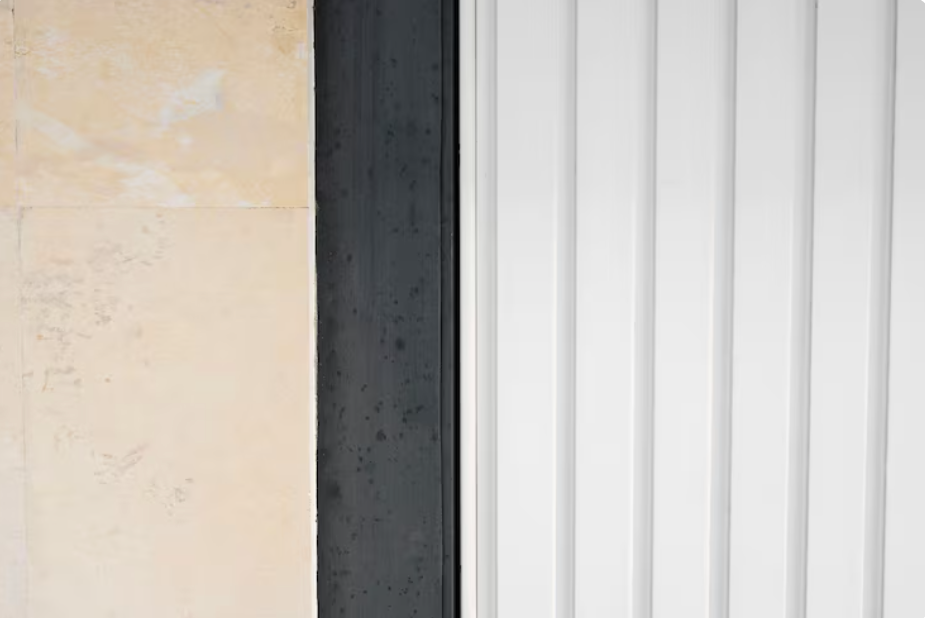
The longevity and functionality of interior wall surfaces are greatly enhanced by wall paneling. In addition to being aesthetically pleasing, paneling protects walls from environmental stress, impact, and everyday wear. Wall paneling reduces long-term care requirements while preserving surface integrity in both home and business interiors.
Wall paneling enhances the way walls react to repeated use over time by providing structure and material depth.
Protective Layer for Underlying Wall Construction
Interior walls are constantly in contact with objects, including furniture, movement, and regular cleaning. Between these activities and the structural wall below, wall paneling acts as a buffer. This extra layer protects plaster, drywall, and brick surfaces from direct damage by absorbing small impacts.
Paneling greatly lessens noticeable wear in high-traffic areas like common interiors and hallways. It aids in preserving a polished appearance even in places that are used often.
Resistance to Surface Damage and Wear
The ability of wall paneling to withstand surface damage is one of the main ways it increases durability. Paneling materials are made to resist repetitive touch, in contrast to painted walls, which are prone to scuffs and scratches. They are therefore appropriate for settings where durability is crucial.
By spreading tension throughout the panel surface rather than letting it focus on the underlying wall, properly fitted wall paneling also reduces chipping and cracking.
Durability Benefits of Wall Paneling Systems
Paneling systems, as opposed to exposed wall finishes, increase the long-term durability of interior walls.
- lessens the direct effect on the surfaces of structural walls
- reduces obvious wear in high-traffic locations
- shields walls against stains and moisture exposure.
- increases the longevity of interior wall treatments
These advantages help ensure that walls function consistently in both home and commercial settings.
Influence of Material and Thickness on Longevity
The choice of material and thickness have a significant impact on how long wall paneling lasts. Greater resistance to impact and distortion is offered by thicker panels. When opposed to thinner decorative layers, engineered wood, composite materials, and treated surfaces provide increased stability.
Paneling's reaction to variations in humidity and temperature is also influenced by the material selection. Stable materials help protect wall surfaces throughout time by keeping alignment and lowering the chance of warping.
Role of Surface Treatments in Durability
In order to shield wall paneling from external damage, surface treatments are essential. Sealants, varnishes, and laminates are examples of finishes that aid in stain, moisture, and abrasion resistance. Panels that have been properly treated require less frequent repairs or refinishing since they are simpler to clean and maintain.
Under frequent usage, surface protection guarantees that wall paneling maintains its structural integrity and aesthetic appeal.
Long-Term Maintenance and Repair Advantages
By lowering the frequency of wall repairs, wall paneling makes upkeep easier. Modular paneling solutions allow for the replacement of damaged pieces without affecting the wall as a whole. This focused repair strategy reduces downtime and expenses while preserving interior quality.
Paneling is a more effective and long-lasting way to preserve interior wall surfaces than repainting or resurfacing.
Performance Across Residential and Commercial Interiors
Wall paneling safeguards walls in high-traffic areas of homes, like living rooms, corridors, and home offices. In commercial environments, paneling enhances durability in offices, retail spaces, and hospitality interiors where walls encounter frequent activity.
Wall paneling offers constant performance in a variety of interior situations by adjusting to varying usage levels.
Conclusion
By offering protection, stability, and long-term performance, wall paneling greatly increases the longevity of interior wall surfaces. Paneling prolongs the life of walls and lessens wear through structural layers, surface treatments, and material strength. Wall paneling becomes a long-lasting interior solution that supports both function and design throughout time when it is carefully chosen and placed.